The Journal / Ideas
Legal Wedding in Mallorca: Civil, Church or Symbolic?
Civil, church or symbolic: what each route in Mallorca involves, and why many couples sign the papers at home.
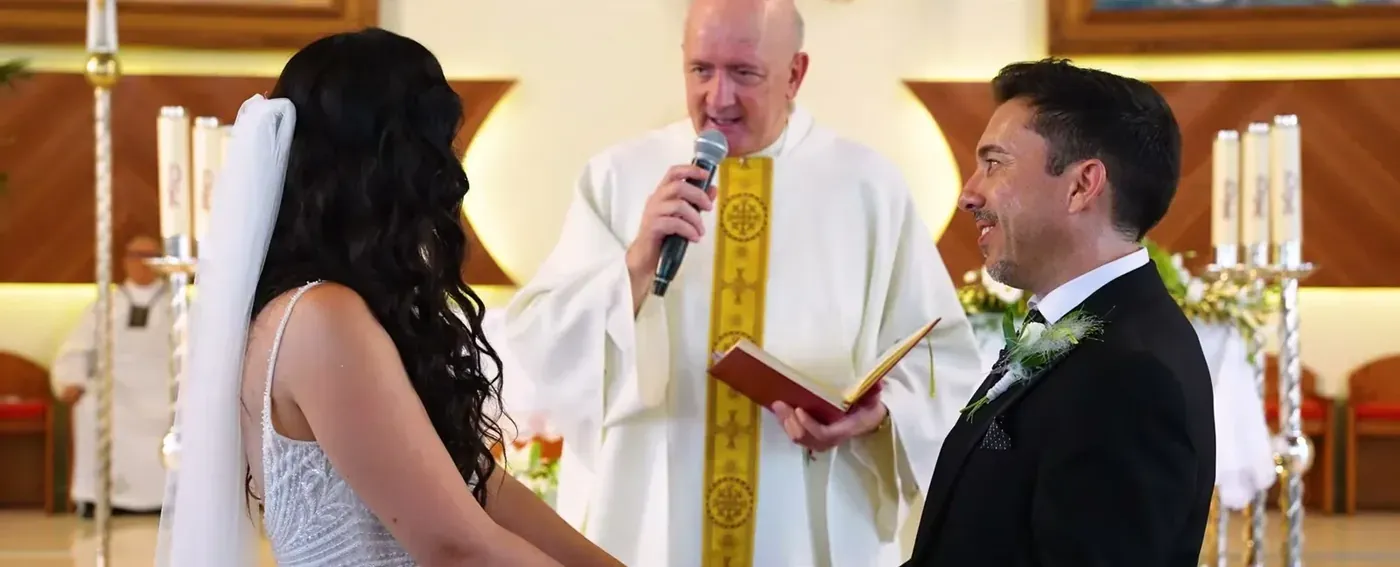
A legal wedding in Mallorca can take one of three forms: a Spanish civil ceremony, a church wedding, or a symbolic ceremony on the island with the legal marriage signed somewhere else. For most international couples, the real choice is not the style of ceremony. It is where the legal signature happens. Once you have settled that, the venue, the timing and the person standing at the front all follow from it.
Legal Wedding in Mallorca: The Short Answer for International Couples
There are three routes, and each one puts the legal moment in a different place.
- Civil ceremony in Spain. The marriage is made legal in Spain, through the Spanish authorities.
- Church wedding on the island. A religious ceremony in a Mallorcan parish. Ask both the parish and your home church how the marriage is registered for your situation.
- Symbolic ceremony on the island. The ceremony in Mallorca has no legal weight. You marry legally at home, before or after, and celebrate on the island.
Which route works for you depends on your nationality, where you live, your religion and how much paperwork you are willing to take on. I won’t repeat the document lists here. You will find them in my guide to getting married in Spain as a foreigner. This article helps you choose the route before you start collecting papers.
Civil Ceremony in Mallorca: Paperwork, Timing and Who It Suits
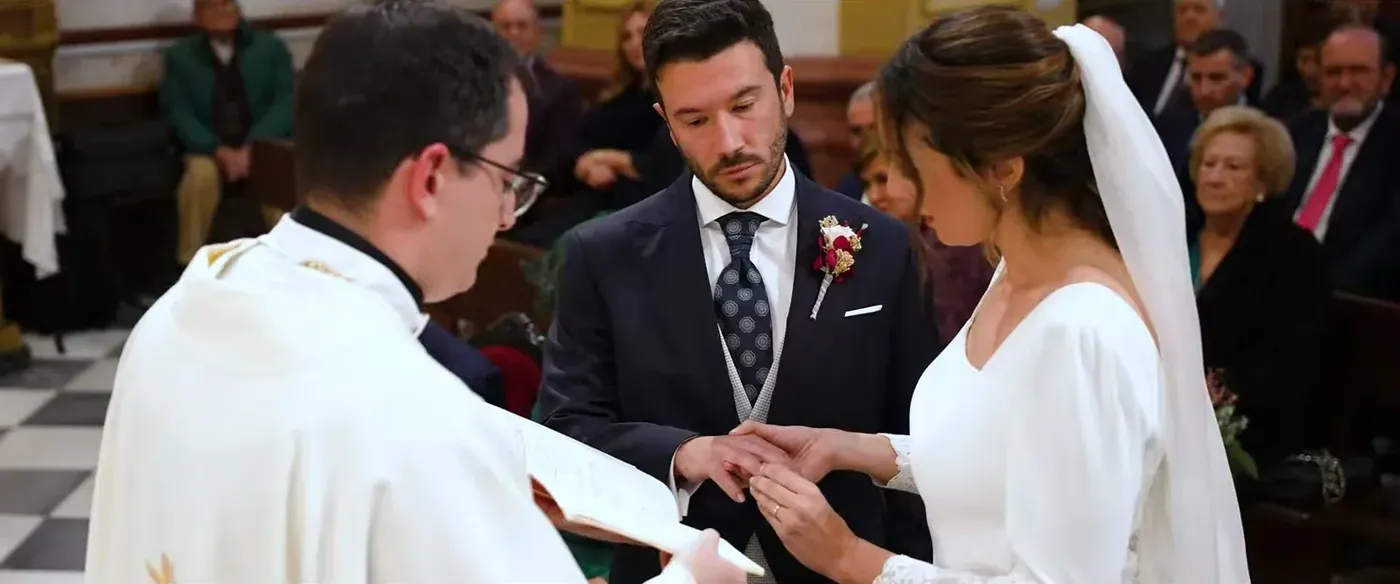
For civil ceremony paperwork, the mallorca.com directory advises allowing 3 to 6 months. That is the directory’s own estimate, not a promise. Your timeline depends on your nationality, the documents your country issues and how quickly translations and legalisations come back. Start early and treat the estimate as a minimum.
A civil ceremony suits couples who want the legal moment to happen on the island, and whose residency and nationality make that possible. Check this with the Civil Registry or your consulate before you fall in love with a date. Some useful questions:
- Can we marry civilly in Spain with our current residency and nationality?
- Which documents do we need, and do they need translating or legalising?
- Where and when can the ceremony take place? It may not be at your venue, or at the hour you would choose.
- How will the marriage be recognised back home?
The full document checklist is in the foreigner guide.
Church Wedding in Mallorca: Questions to Put to the Parish Before Anything Else
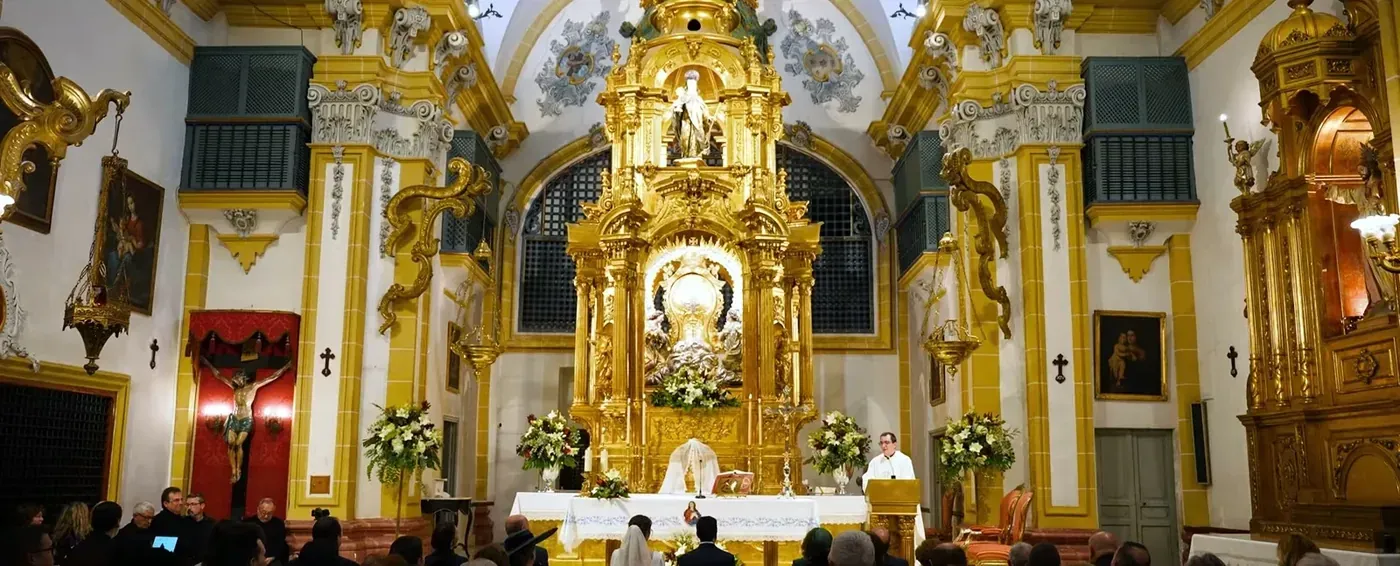
Mallorca has beautiful churches, and many couples dream of marrying in one. Rules differ between parishes and dioceses, so think of this section as a list of questions to ask, not a set of answers. Ask them in writing, and early.
- Residence: Do you accept couples who do not live on the island? What do you need from our home parish?
- Permissions: Does our home parish or diocese have to issue a permission or a file? Who sends it, and how long does it take?
- Preparation course: Is a marriage preparation course required? Will you accept one taken at home, in English?
- Dates and times: Which Saturdays are still free? Is there a fixed ceremony time? How far ahead do you confirm?
- Legal registration: How is the marriage registered, and what do we need for it to be recognised in our home country?
- Language: Can readings, or the whole ceremony, be in English? Can a priest from home take part?
- Music: Can we bring our own musicians or choir?
- Photographers and filmmakers: May they work inside the church? Where may they stand, and can they move during the ceremony? Are microphones allowed near the altar or the lectern?
That last question matters more than couples expect. Light inside a church is often low, and positions can be limited. Whether the vows can be recorded cleanly decides how much of the ceremony you will actually hear in your film.
Symbolic Ceremony: Why Most Couples Marry Legally at Home and Celebrate on the Island
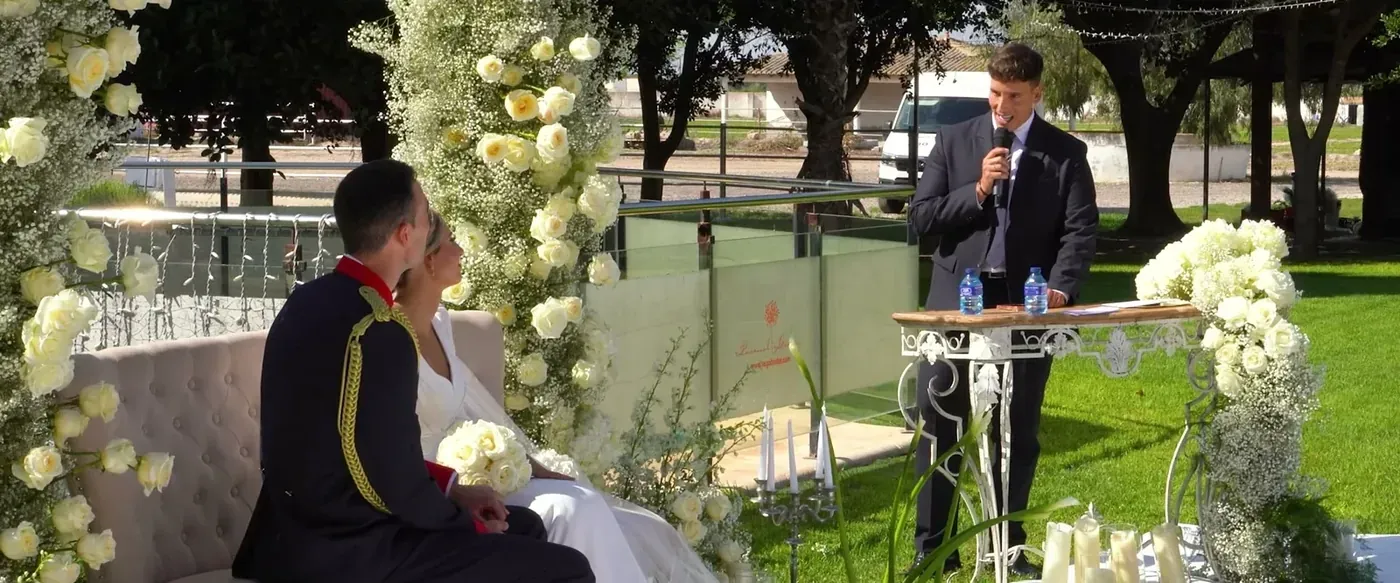
The mallorca.com venue guide says that most couples hold a symbolic ceremony on site and arrange the legal marriage separately, at home or through the Spanish authorities. It is easy to see why. Once the legal side is dealt with at home, the ceremony on the island can be exactly what you want:
- Venue: the garden, a terrace above the sea, beneath old olive trees, or anywhere the venue allows.
- Time: you choose the hour. Many couples move it later for softer light and cooler air.
- Language: English, bilingual, or several languages for families from different countries.
- Celebrant: a professional celebrant, a close friend, or a family member.
- Content: your own vows, readings, rituals and music, with no set structure to follow.
For your guests it is a wedding in every way that counts: vows, rings, tears and a first kiss. The only difference is legal, and it is settled somewhere else. I’ve written about this in more detail in why most couples choose a symbolic ceremony in Spain.
What Each Option Costs: Directory Estimates vs High-End Planner Figures
Published figures for Mallorca vary widely, and the reason is useful to understand. They depend on guest numbers, how many days you celebrate and the level of finish. Here is what each source says, in its own words and as its own estimate.
| Source | What it quotes |
|---|---|
| mallorca.com directory | Symbolic ceremony for 50 guests: €15,000 to €40,000 in total |
| mallorca.com directory | Within that: venue €1,000 to €5,000, celebrant €800 to €2,500, catering €80 to €200 per person, optional planner €1,500 to €5,000 |
| mallorca.com directory | Up to 30 guests from around €10,000; 50 to 100 guests €20,000 to €50,000; luxury weddings €80,000 to €200,000 or more |
| Dybiec Wedding | Couples typically invest €35,000 to €55,000 for one day and €45,000 to €90,000 for three days |
| Lovebirds Mallorca | Recommends a total budget from €60,000, with catering at about €250 per person |
The directory figures cover the whole market. The two planners are describing their own high-end work. Neither set of numbers is wrong. They are measuring different weddings.
The directory’s breakdown is for a symbolic ceremony. A civil or church route brings its own costs, such as certificates, translations and any church fees, so ask for these early as well. For filming, my collections for destination weddings start from €2,500, and I send the exact price within 24 hours of an enquiry. For budgets by guest count, read Mallorca wedding cost.
Wherever You Sign, Check the Venue’s Events Licence
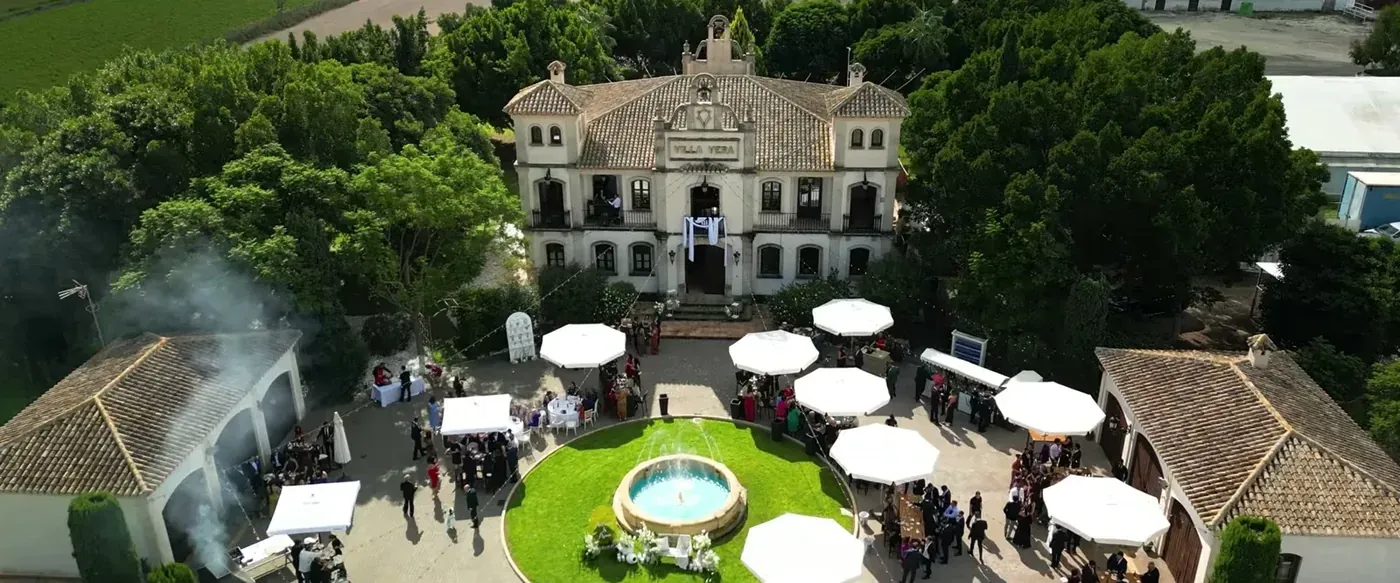
Whichever ceremony you choose, the venue has to be allowed to host it. The Majorca Daily Bulletin reported a case in February 2020. A couple had rented a finca in Santa Eugènia for their 2017 wedding. A tourism inspector stopped the event because the venue had no events licence. The ceremony moved from the garden into the house, and the DJ was cancelled. A court later ordered the company managing the finca to pay the couple €16,000.
The lesson is simple. Ask to see the venue’s events licence before you book. Then ask about two more things:
- Music cut-offs. The mallorca.com venue guide notes that outdoor music often ends considerably earlier than indoor music, and that times vary by venue. Ask for both cut-offs. In the guide’s example finca, the enclosed disco room runs until 4 am.
- Costs in writing. The same guide advises getting the exact calculation for your guest count in writing before you pay anything.
There is more on this in finca weddings in Mallorca: what to check before booking.
Who Can Help With the Legal Side: Planners to Look At, Not a Ranking
There is no independent ranking of wedding planners in Mallorca. Any list that claims to rank them is opinion. Below are some planners working on the island, described only from what they publish themselves. They are in no particular order, and the choice is yours.
- Spain4Weddings lists legal guidance on ceremony options for foreign nationals among its services. It also offers venue scouting, suppliers, design, guest logistics, contract review, budget oversight and day-of coordination. First meetings are by video call, and fees are tailored to each wedding.
- Dybiec Wedding is based in Cala d’Or. Its founder, Magdalena Dybiec, leads every wedding. It focuses on small weddings of 30 to 80 guests, works in four languages and publishes its planning fees from €4,700 for a single day.
- Lovebirds Mallorca is run by Sandra Biewendt and Vanessa Vinson. They shortlist up to three venues and visit them with the couple, and they work in German, English and Spanish.
- Mallorca Weddings has offices in Andratx and Manacor. It says it has operated since 1998 and keeps a catalogue of more than 250 venues.
- Christina von Hunnius Celebrations is based in Andratx. It describes itself as a luxury, bespoke planner for international clients.
If your route involves Spanish paperwork, ask any planner directly what legal support they include. For more help choosing, read how to choose a wedding planner in Mallorca and whether you need a wedding planner in Mallorca at all.
Before You Lock the Ceremony: Check Your Filmmaker’s Date
Each route changes how your ceremony looks and sounds on film:
- Civil: the time and place may be set for you, so the light is whatever that hour gives.
- Church: the light is often low, positions may be limited, and microphones depend on what the parish allows.
- Symbolic: you choose the hour, the setting and the sound, which gives the most freedom.
I film civil and religious ceremonies across Spain, including Mallorca, and further afield. My style is documentary and editorial: natural light, real moments, no posing and no script. I record vows, speeches and laughter on discreet microphones, so you hear the day as it was. Before the wedding I coordinate with your photographer and planner. When the weather and local regulations allow, I add drone shots. To get a feel for the films, watch Antonio & Isabel’s wedding at the salt flats of Torrevieja.
Dates go quickly. I recommend booking 6 to 12 months ahead, and earlier for Saturdays from May to October. Ideally, check before you confirm the ceremony time with a parish, registry or venue.
Planning a wedding here? I film one wedding per date, so the first step is checking yours. Check your date and I will reply personally within 24 hours.
Questions
Can foreigners have a legally binding wedding in Mallorca, or do we have to marry at home first?
It depends on your nationality, where you live and the route you choose. A civil or church wedding in Spain can be legal, but check with the Civil Registry, your consulate or the parish whether it is possible in your case. The mallorca.com venue guide notes that most couples choose a symbolic ceremony on the island and arrange the legal marriage separately, at home or through the Spanish authorities.
How far in advance should we start the paperwork for a civil wedding in Mallorca?
The mallorca.com directory advises allowing 3 to 6 months for civil ceremony paperwork. Treat that as a minimum, because translations, legalisations and your own country's documents can add time. The full document list is in the guide to getting married in Spain as a foreigner.
Is a symbolic ceremony in Mallorca legally valid, and will guests be able to tell the difference?
A symbolic ceremony has no legal weight. The legal marriage is signed separately, usually at home before or after the wedding. For your guests it feels like any other wedding, with vows, rings, readings and music, because the only difference is the legal signature.
Can we have a church wedding in Mallorca if neither of us lives in Spain?
Many couples ask this, and the answer depends on the parish and on your home church. Before you plan anything else, ask the parish whether it accepts non-resident couples, what permissions and preparation course it needs, and how the marriage is registered so it is recognised at home. Also ask whether photographers and filmmakers may work inside the church.