Which hour to place the ceremony
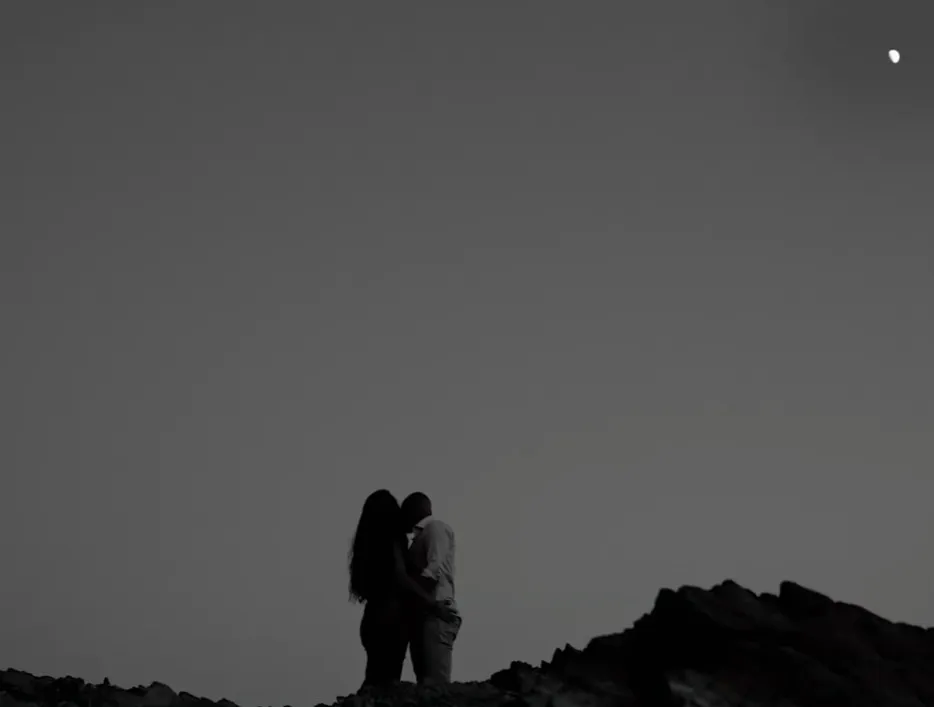
Sunset moves by well over an hour between June and September, so one timetable cannot serve every month. Expect it at about 21:20 in late June and just before 20:00 in late September, then earlier again in October. I suggest starting an outdoor ceremony about two hours before sunset. Your vows then sit in lower, softer light, with time afterwards for embraces and a few unposed minutes together before the colour goes.
The month changes the plan as well. June and July tend to bring less rain and fewer storms. September is the main wedding month here, but September and October are more unsettled, so choose a covered space you would be happy to see in the film.
A church such as Sant Francesc Xavier or El Pilar on La Mola, or a legal civil ceremony, may fix the hour for you. Ask the parish or the Registro Civil before you set a date: a civil file takes time, and residency can decide where you can marry.
What the wind does to your vows
Formentera is windier than Ibiza, and what reaches the microphones depends on where your ceremony stands. Tramuntana and Llevant are the prevailing winds. Migjorn, on the south coast, is usually sheltered from them in summer, while the north coast tends to be windier from October to April and calmer in July. For a spring or autumn wedding, ask to see a sheltered terrace on the south side before an open point facing north.
I record vows, speeches and laughter on discreet microphones, so the film keeps your own voices, but a gust can still cover a quiet line. Ask your venue which corner stays calm on a breezy afternoon, and put a wall, a building or pines between you and the wind.
Music sets a second limit. Finish times vary by venue and the Consell's rules can change, so ask your venue or planner in writing when outdoor music stops. That decides where the speeches go and whether your party hour on film happens outside or in.
Where a drone can and cannot fly
The drone is where a wedding filmmaker in Formentera has to plan ahead. I fly only when the weather and local regulations allow. Parc Natural de ses Salines covers the north of the island, and filming and portrait sessions inside it need prior authorisation from the park office. Ask early, and confirm whether your location falls inside the boundary, around Ses Illetes, Es Pujols and Punta Prima. Without that authorisation, I treat the park as closed to the drone.
In built-up areas a drone cannot pass over buildings, homes, terraces or patios. Flying there or over a gathering can require notice to the Interior Ministry five calendar days or more ahead, so tell me your exact locations early.
On foot, the dunes are for boardwalks and marked paths only. The park also bars parties and shows, and events on public beaches may not be allowed, so get written confirmation from the Consell or your planner before choosing the sand. A sea-view restaurant can give the film the same water.
August heat and the walk to Cap de Barbaria
August is hotter than June, and the heat decides your timetable. Sunset in mid-August comes at about 20:50, so I would start an outdoor ceremony around 19:00, not mid-afternoon. Have shade and water ready before guests sit down, and keep the getting ready in cool rooms through the midday hours. You will look more at ease on film, and nobody will be squinting through your vows.
Heat also shortens how far you want to walk. In recent seasons, from mid-May to mid-October, motor vehicles have stopped at a barrier on the way to the Cap de Barbaria lighthouse, with the rest on foot or by bicycle. For evening portraits there, allow for the walk in your wedding clothes, or choose a spot closer to your venue. Exceptions exist for reduced mobility.
Ses Illetes has controlled car access in much the same months, so check this season's hours with the Consell before planning guest transport. Ask both the Consell and the site's owner about filming at the lighthouse.